How a 3D printer works: one vase from file to last layer
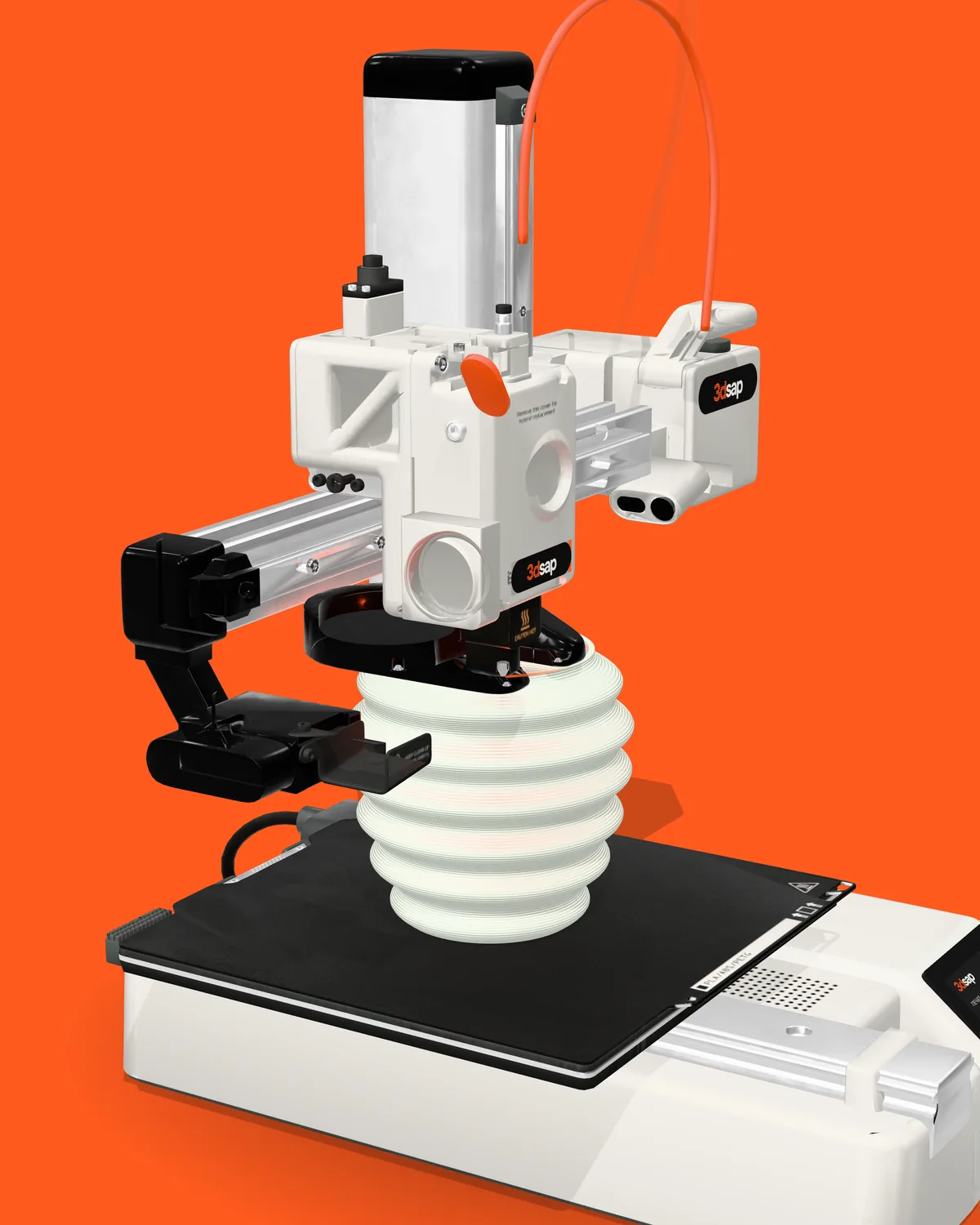
The slicer sets the walls and layers, and the printer lays them down line by line. Whether a 3D printed vase holds water depends mostly on the walls and the seam.
Read the article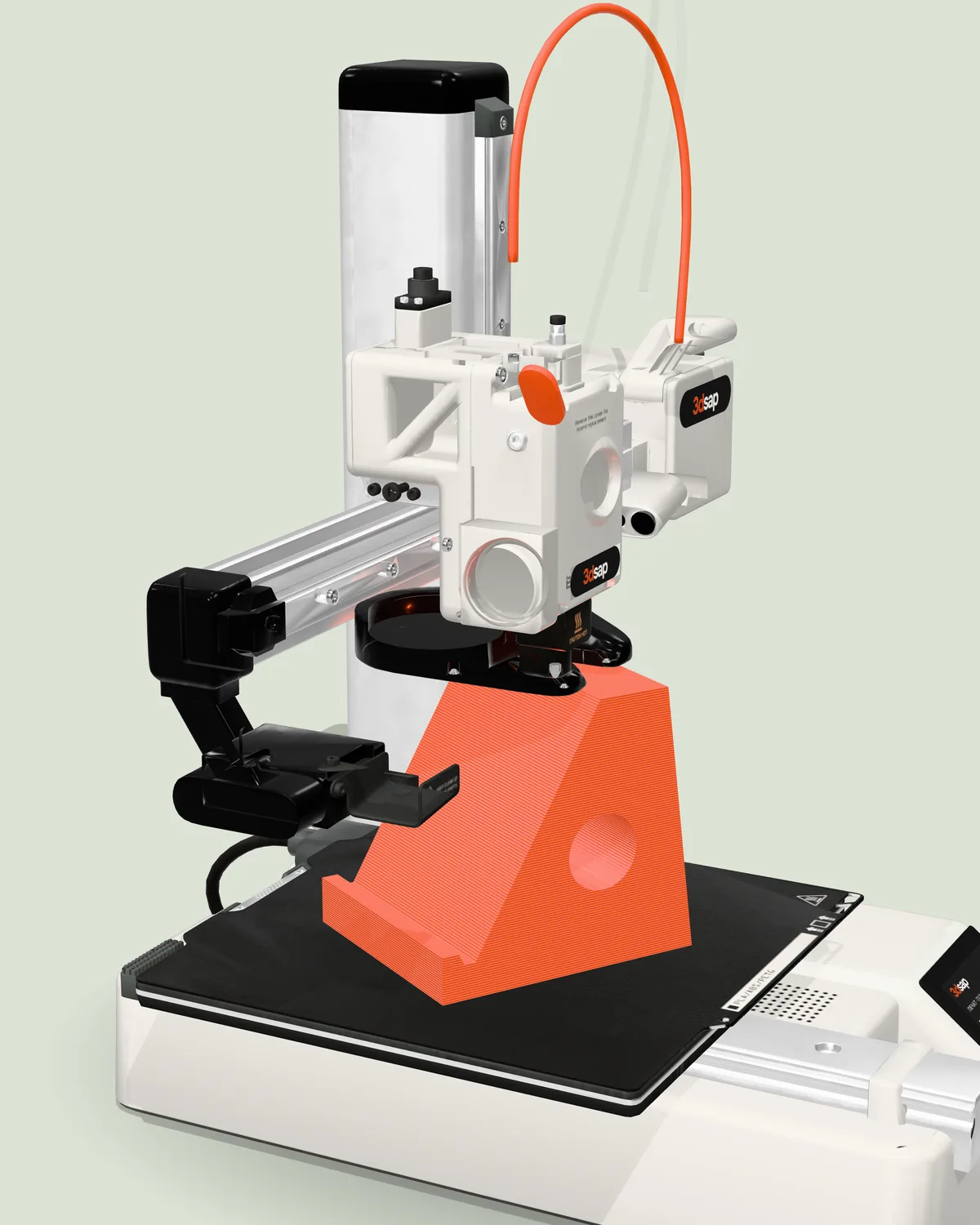
Notes from
the workshop.
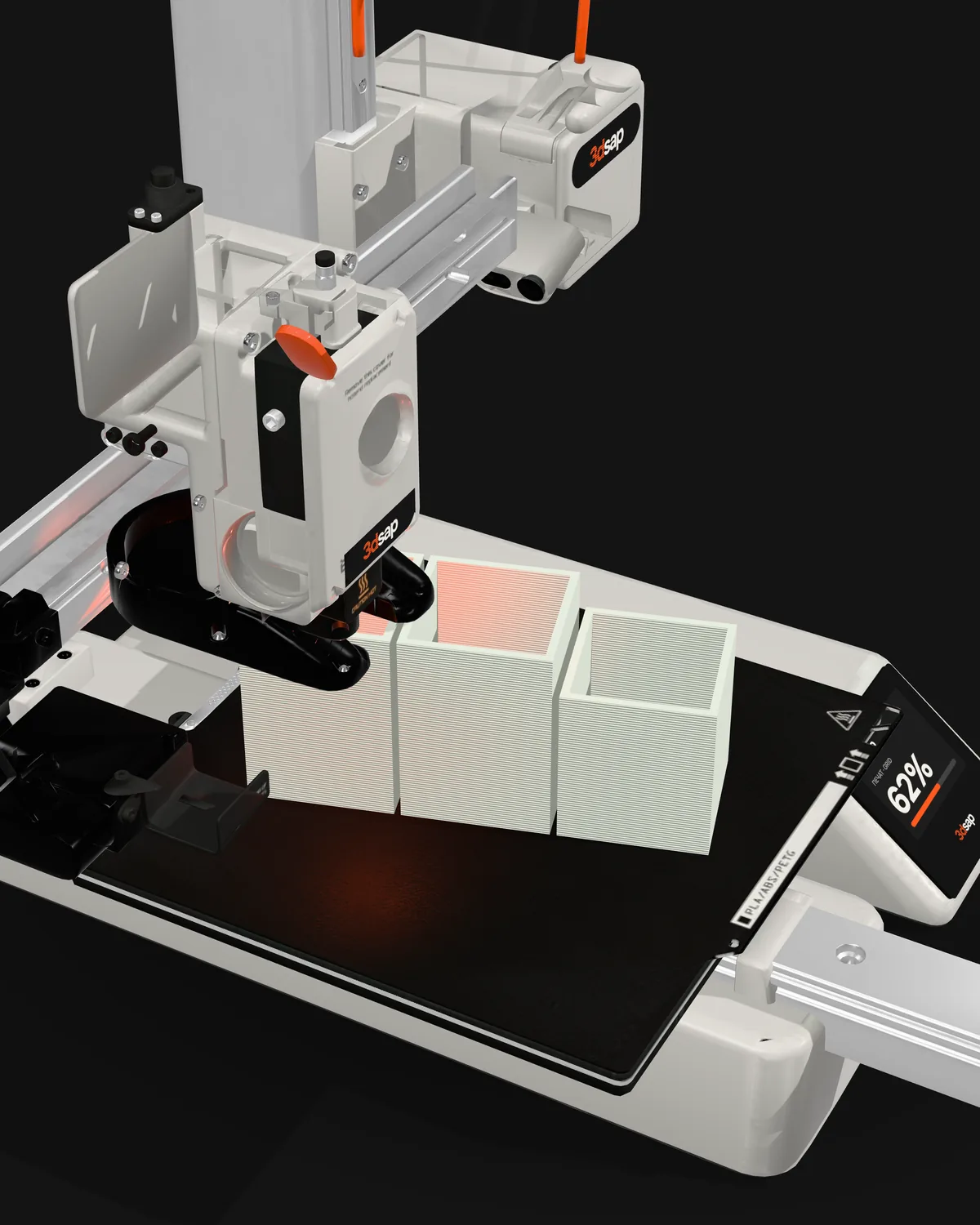
The answers we’d otherwise write in emails: which material for what, how a printer works and where to get a 3D model of a broken part.
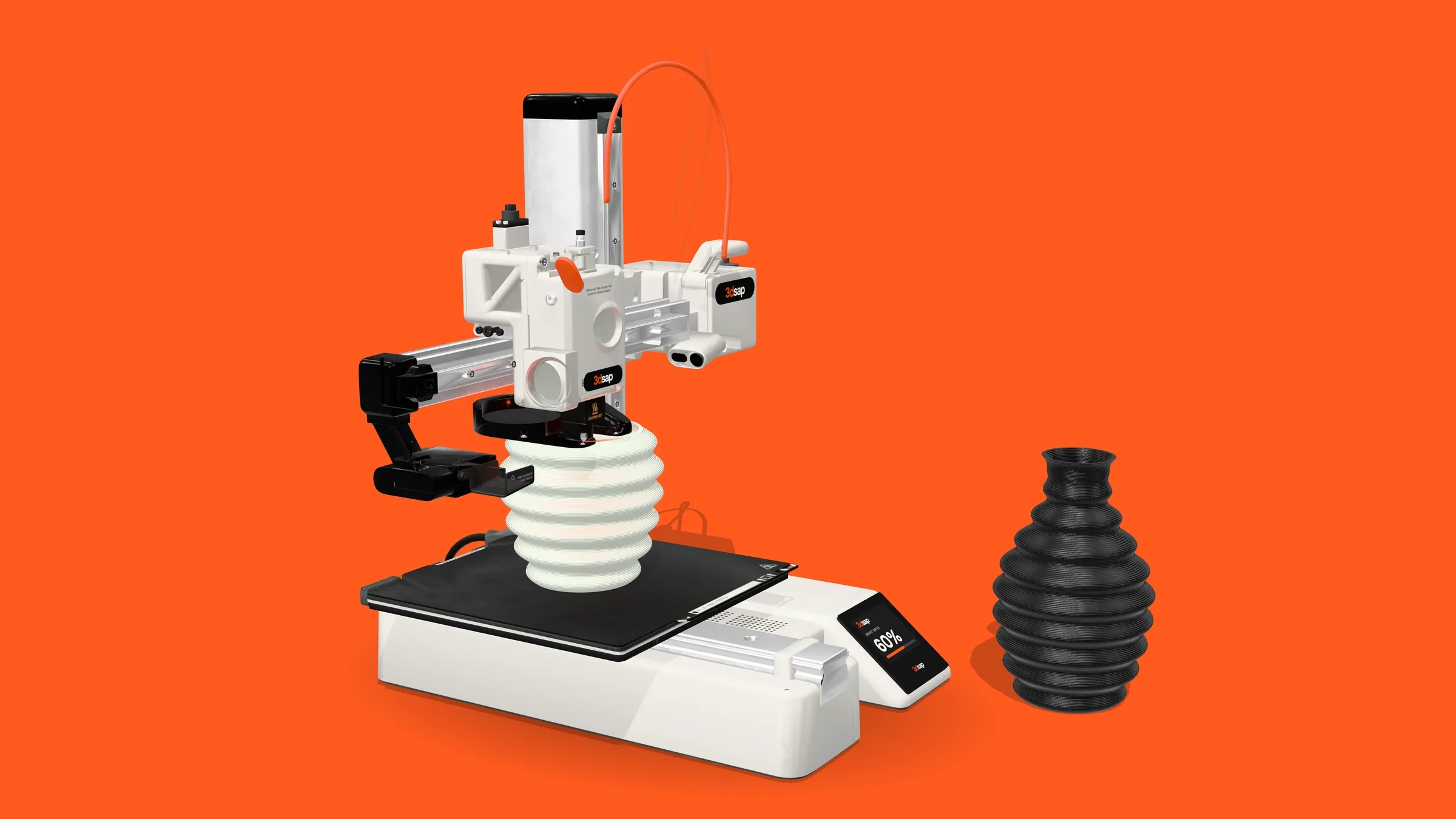
The slicer sets the walls and layers, and the printer lays them down line by line. Whether a 3D printed vase holds water depends mostly on the walls and the seam.
Read the article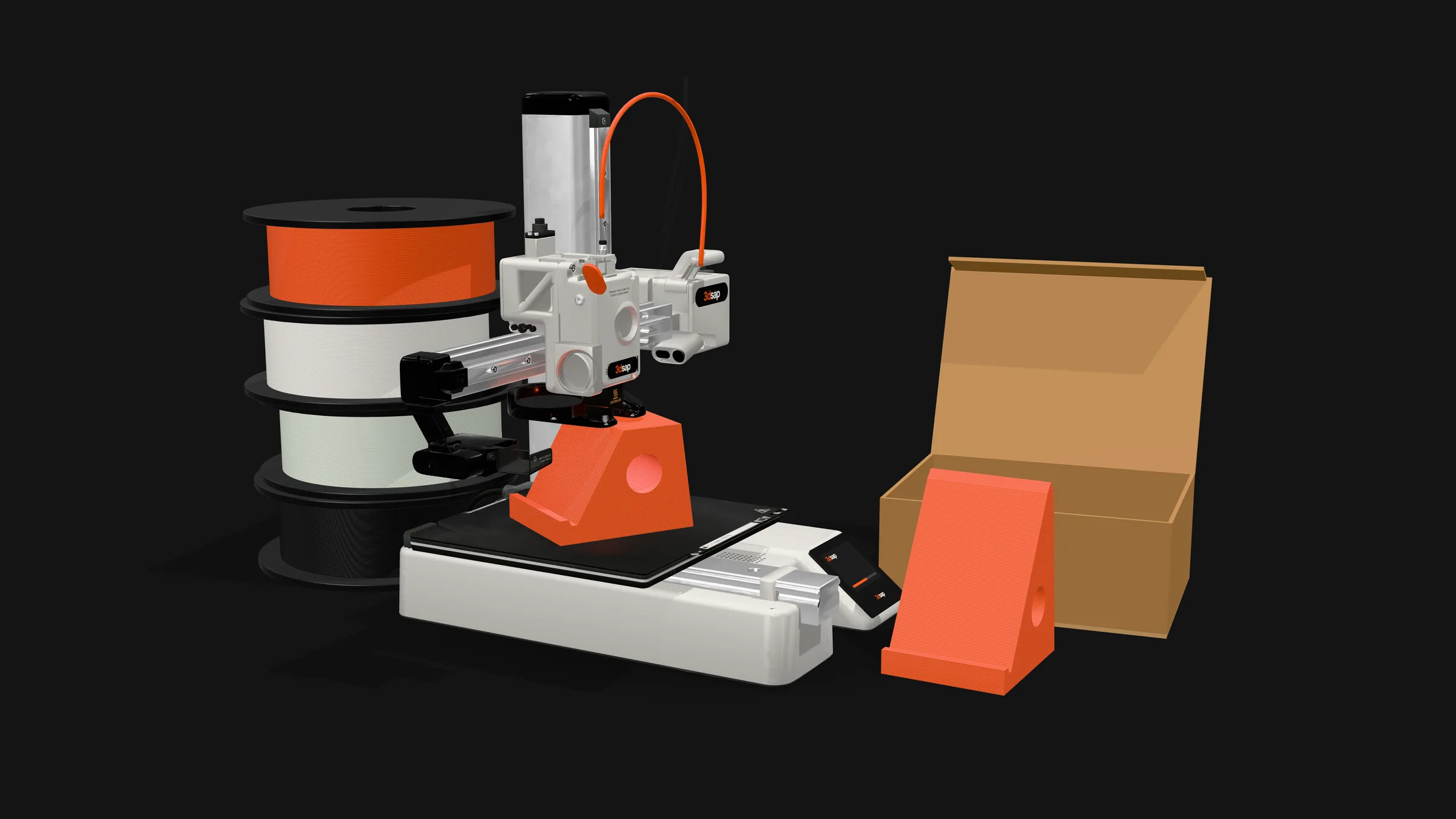
Euro prices for the two printers we print on, what filament, power and upkeep cost, and when it is simpler to order the object itself.
Read the article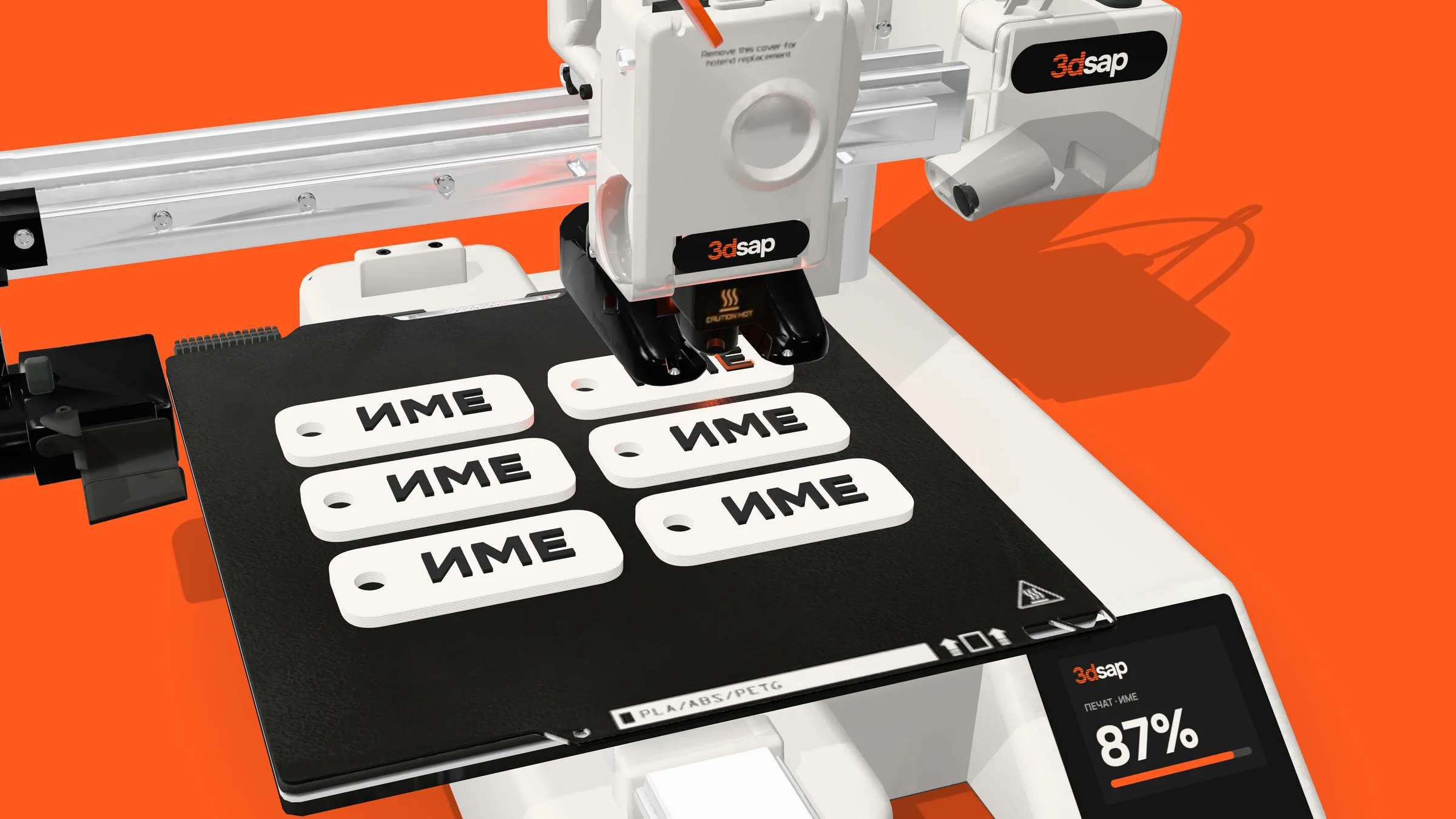
A name in Cyrillic, up to 4 colors in one piece. How the A1 mini with the AMS lite switches colors, which material lasts outdoors and in a car, and what to send us for a quote.
Read the article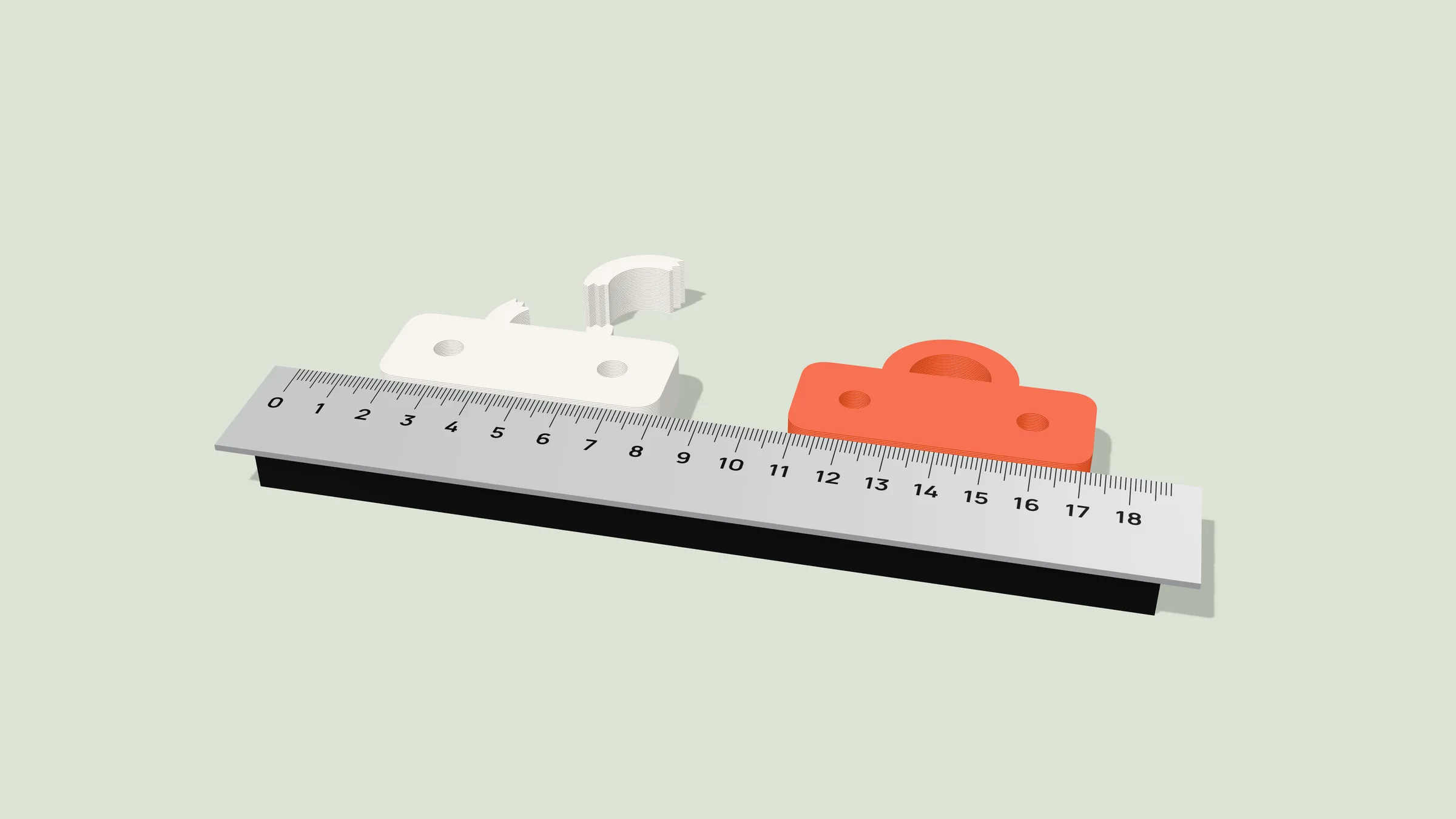
A printer works from a 3D file, not a photo. Three ways to get one for your broken part: find a ready-made model, design a simple one in free software or hire a designer, plus what to measure so it fits.
Read the article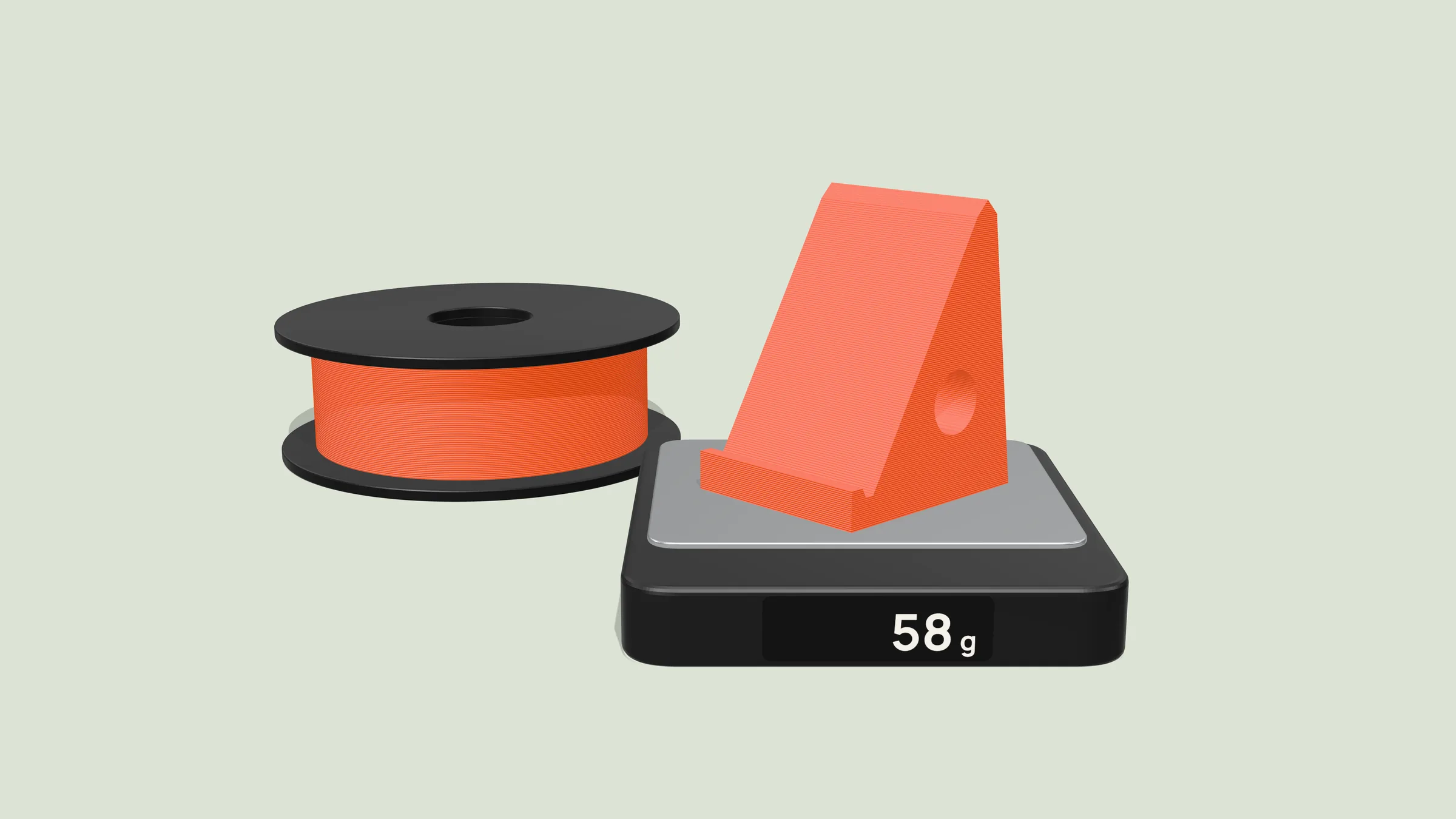
Plastic is a small part of what a 3D print costs. With published figures: what print hours, supports, color changes and manual work add, and how to get an exact quote for your file.
Read the article
Both print the same way. The difference is what they can take: water, sun and heat.
Read the article