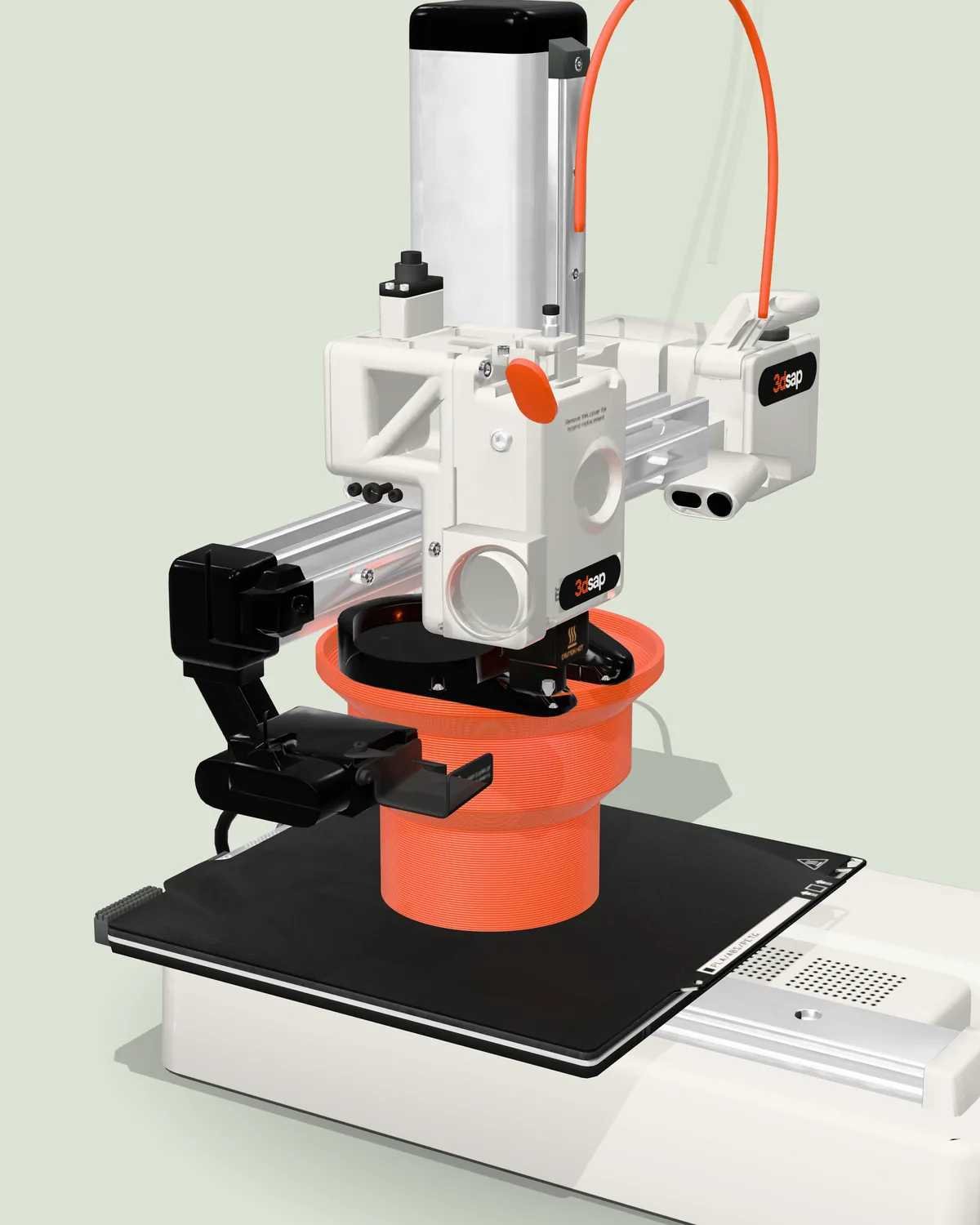
How a 3D printer works: one vase from file to last layer
The slicer sets the walls and layers, and the printer lays them down line by line. Whether a 3D printed vase holds water depends mostly on the walls and the seam.
Read the article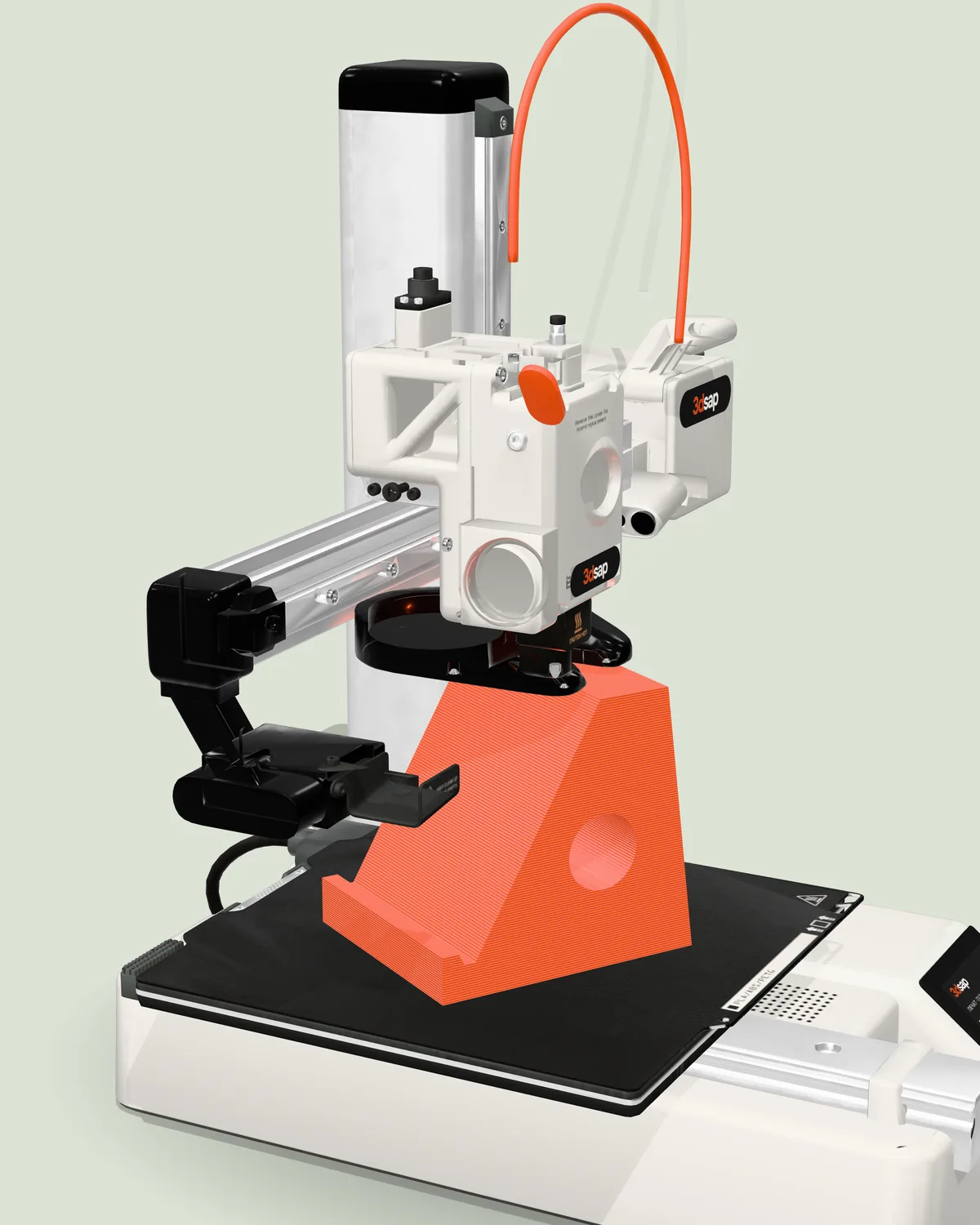
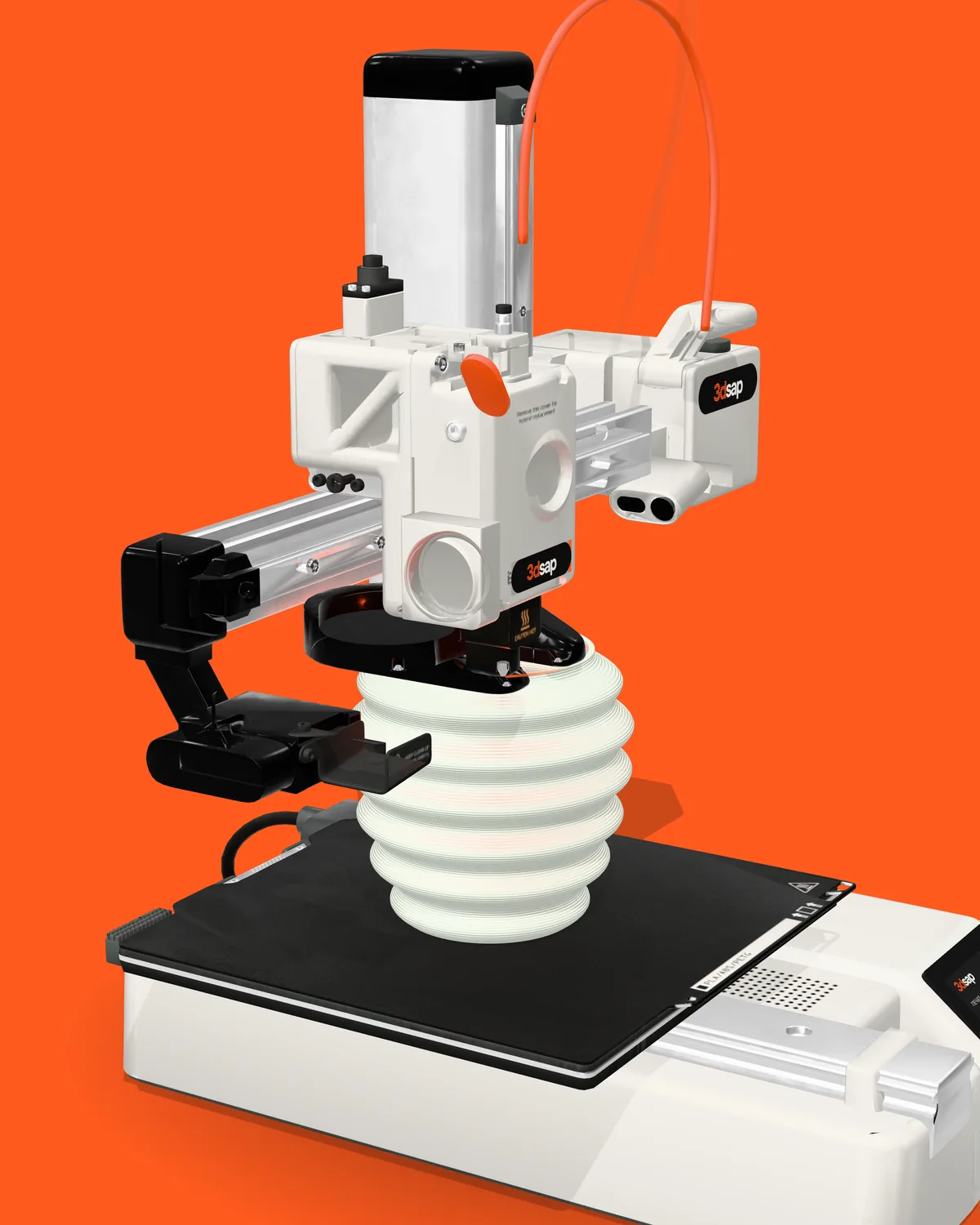
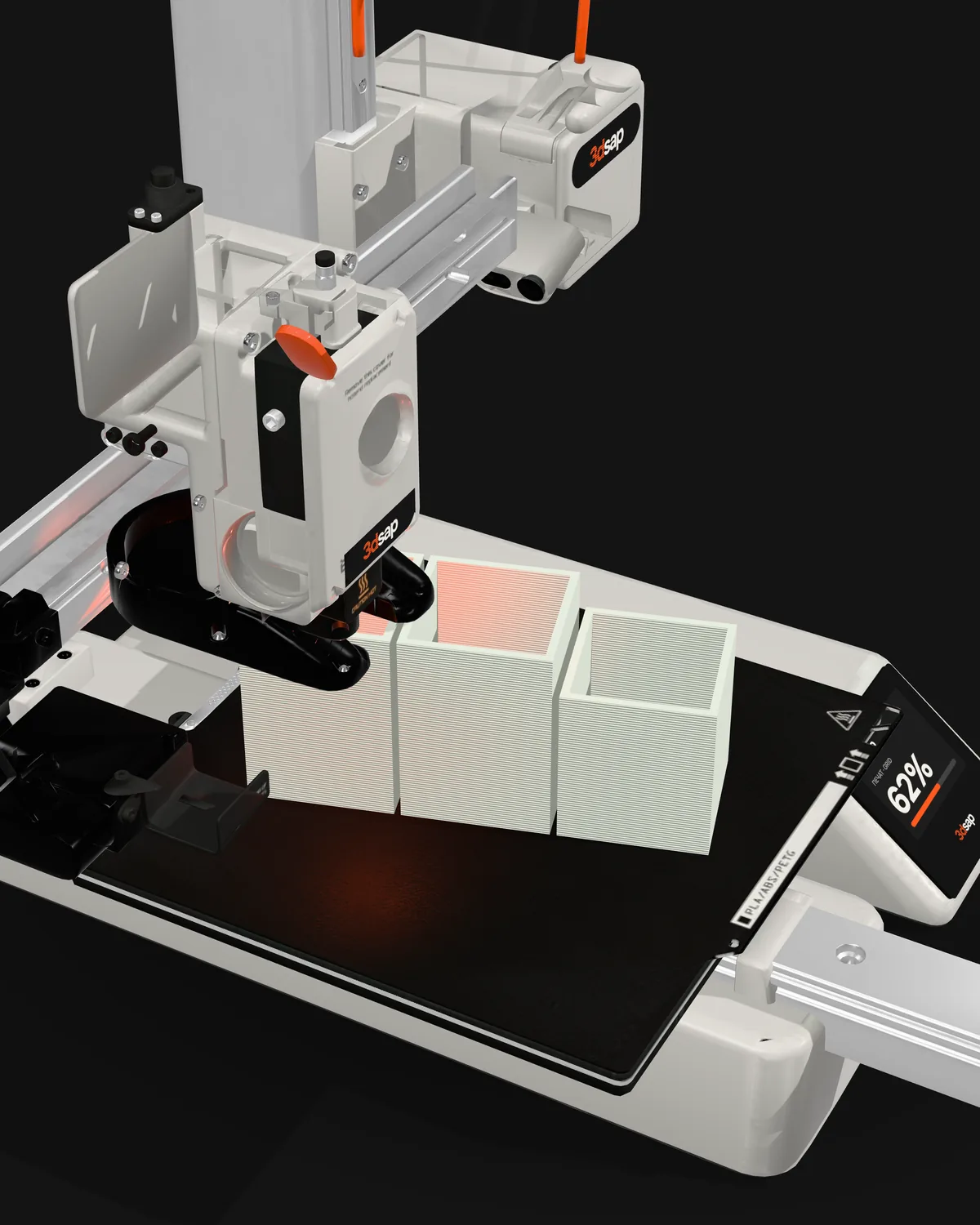
Both print the same way. The difference is what they can take: water, sun and heat.
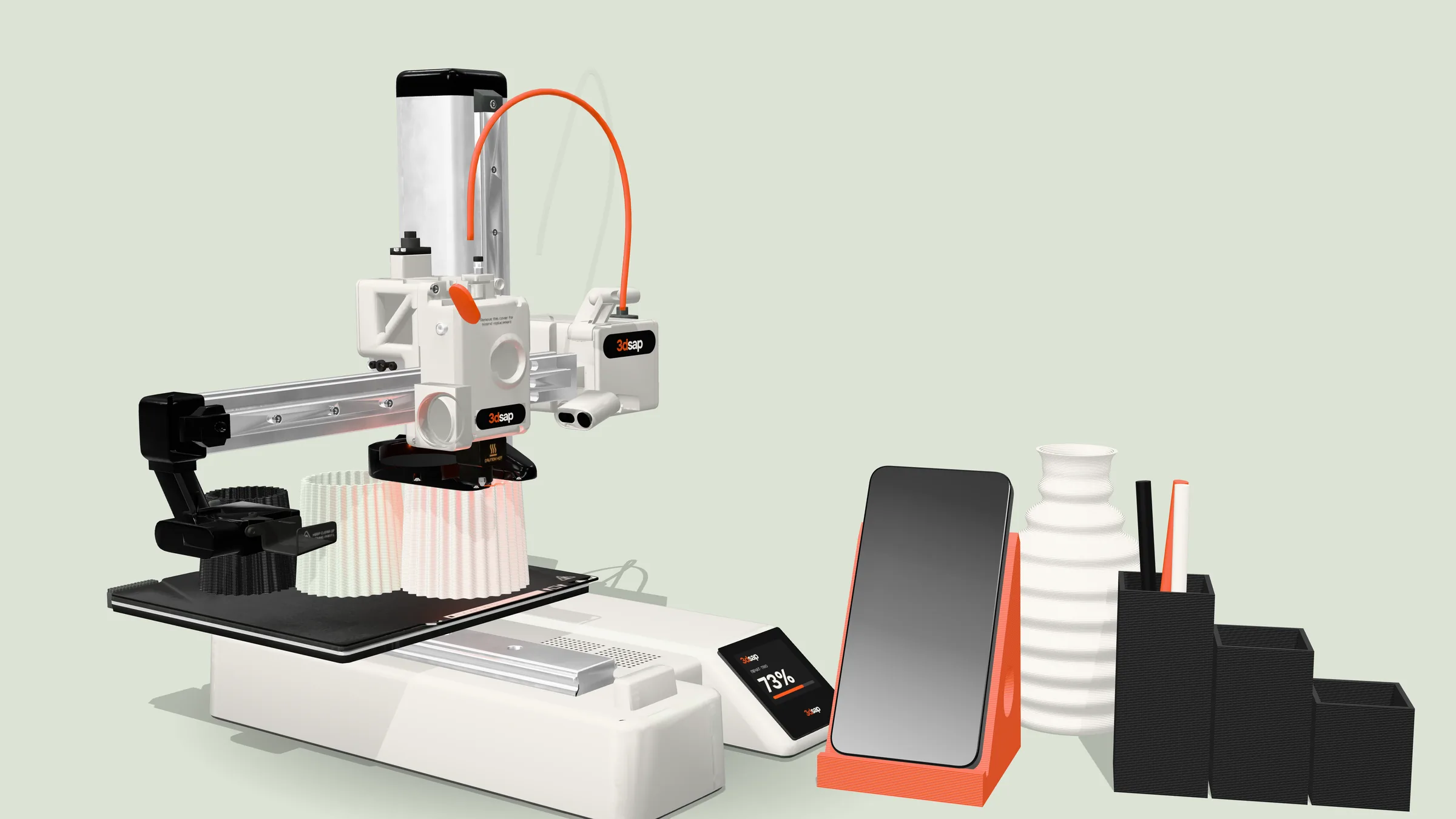
Almost everything we print is PLA or PETG. Both melt, go down and cool the same way, layer by layer. They differ in what they can take afterwards.
PLA is matte, light and made from plant-based raw materials. It holds its shape and details come out clean. Its weak spot is heat: it softens at around 55 °C.
Not sure?
Tell us where the object will live. If the material is wrong for it, we will say so before we start the printer.
PETG is tougher and slightly flexible, so it doesn’t crack easily if it falls. It handles water and temperatures of around 70 °C.
| Property | PLA | PETG |
|---|---|---|
| Surface | Matte | Satin |
| Heat | Up to 55 °C | Up to 70 °C |
| Water | Wipe it, don’t soak it | Holds water |
| Good for | Desks, shelves, gifts | Planters, vases, bathroom, balcony |
Choose the material by where the object will live, not by its color.
Neither PLA nor PETG from our printer is fit for food contact: bacteria stay between the layers and don’t wash out.
A can or a bottle inside a printed piece is different: the drink never touches the plastic.
When you choose a product, its page shows the material. For an object from your own model , just tell us where it will live.
Products
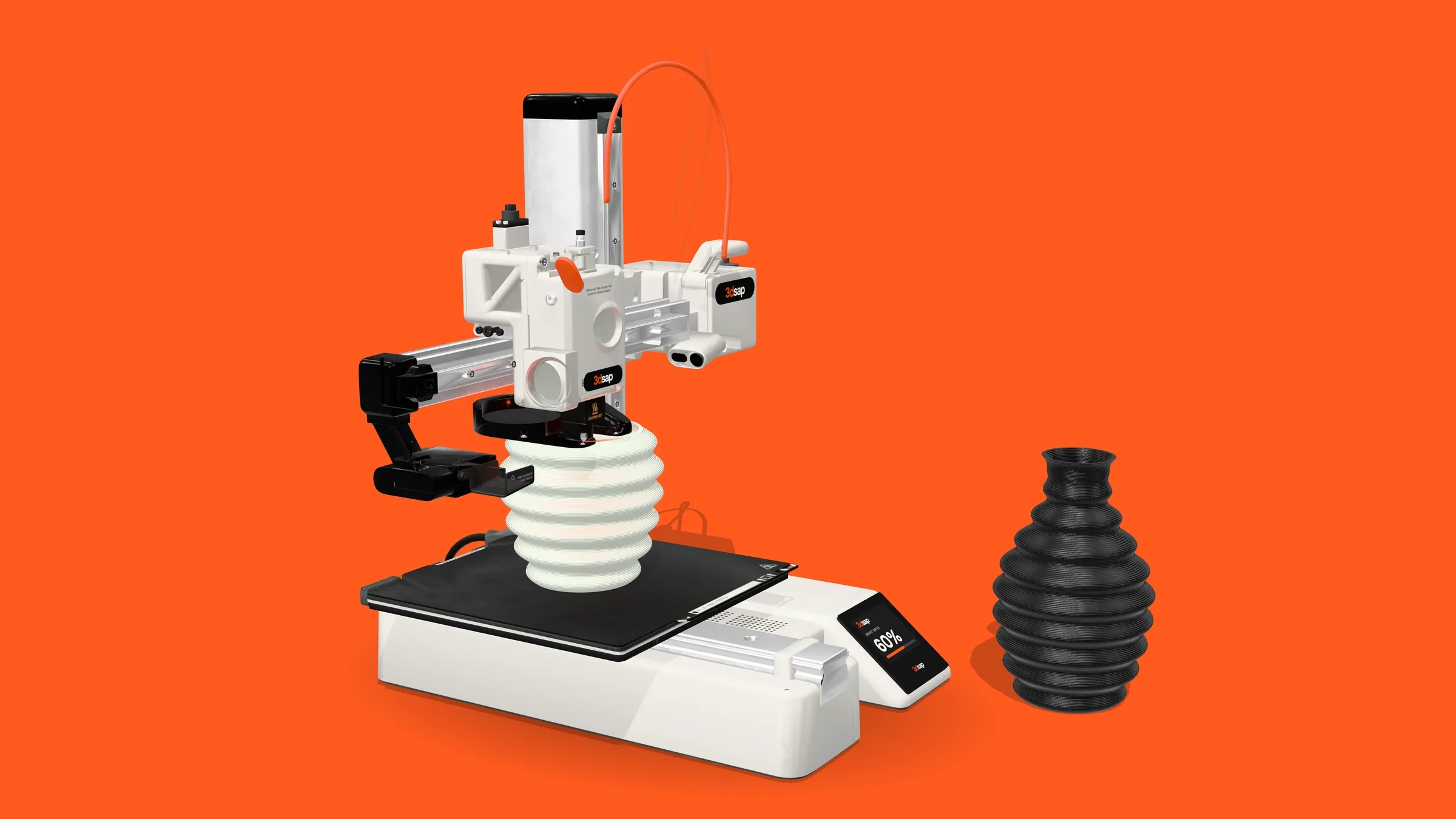
The slicer sets the walls and layers, and the printer lays them down line by line. Whether a 3D printed vase holds water depends mostly on the walls and the seam.
Read the article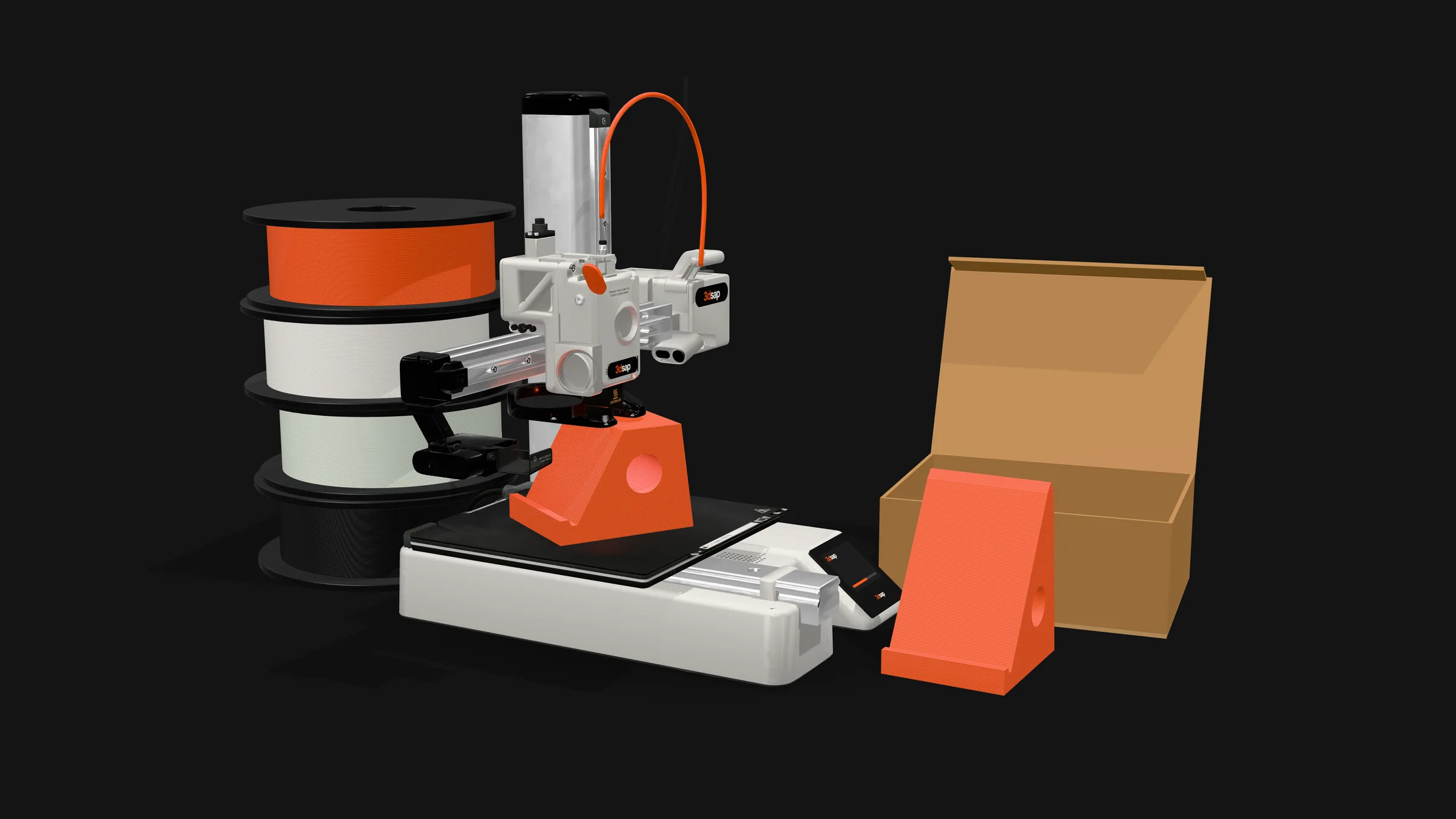
Euro prices for the two printers we print on, what filament, power and upkeep cost, and when it is simpler to order the object itself.
Read the article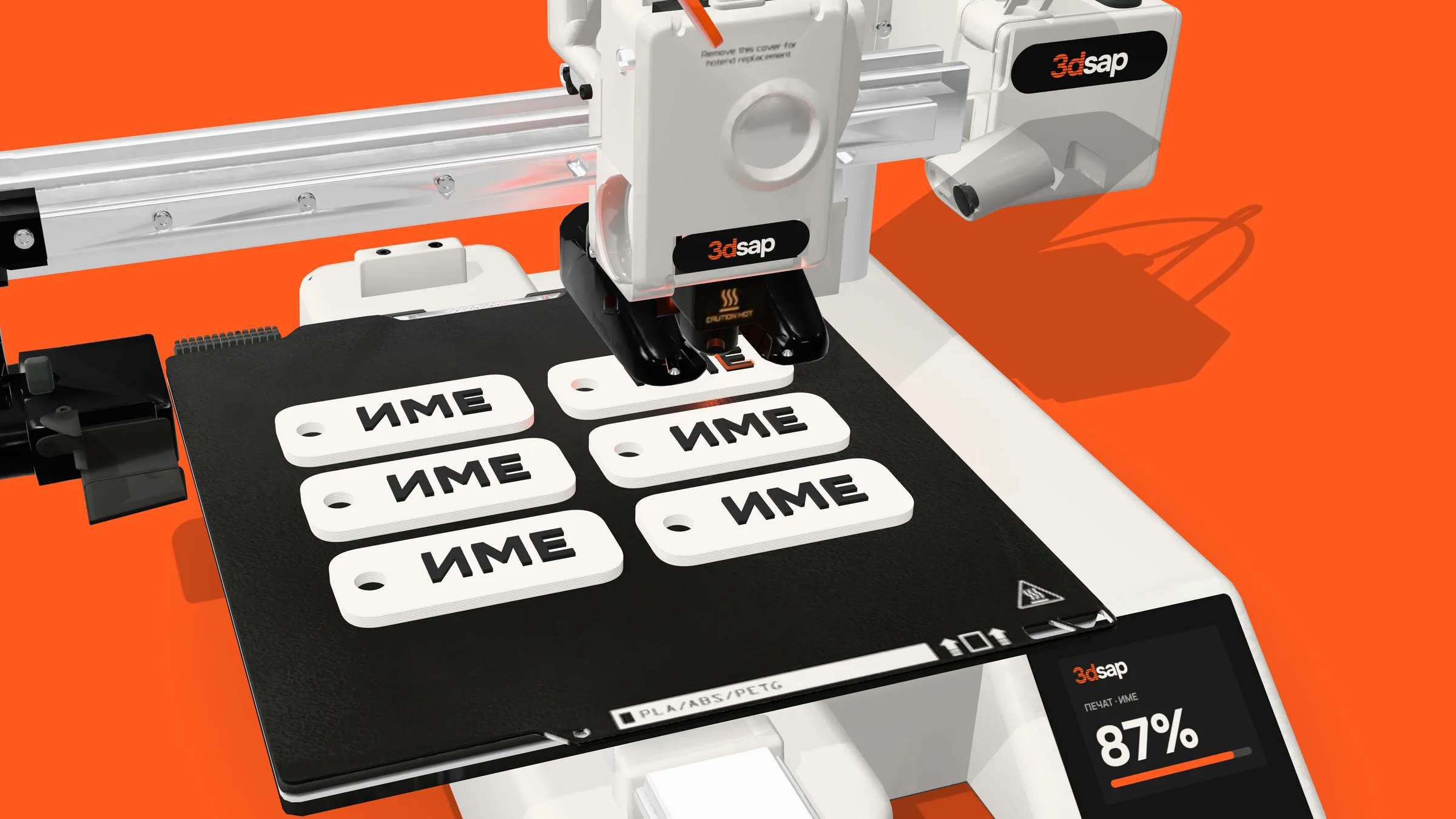
A name in Cyrillic, up to 4 colors in one piece. How the A1 mini with the AMS lite switches colors, which material lasts outdoors and in a car, and what to send us for a quote.
Read the article